When I was setting up Straxcel, everyone I spoke to gave me the very same advice – niche down.
Pick one lane and own it completely. Become the “Instagram marketing agency for D2C brands” or the “SEO agency for SaaS startups.”
It’s easier to explain, easier to price, and easier to sell in a first meeting. On paper, it made complete sense.
I didn’t take that advice. I started Straxcel as 360 digital services and business development agency instead, covering everything including assets development, SEO, GEO, performance marketing, social media, contents, PR, ORM, Branding – all under one roof.
Not because I wanted to do everything for everyone.
I did it because after years of watching brands try to excel using a patchwork of separate vendors, I saw clearly that the niche model, the one everyone kept recommending, is actually broken for the client and not useful to consistently drive profits and revenue.
Yes I know, you can relate to it and the pains for profits.
Here’s the honest reasoning behind that decision.
When All You Have is Hammer
There’s an old line that fits this perfectly – to someone holding a hammer, every problem looks like a nail.
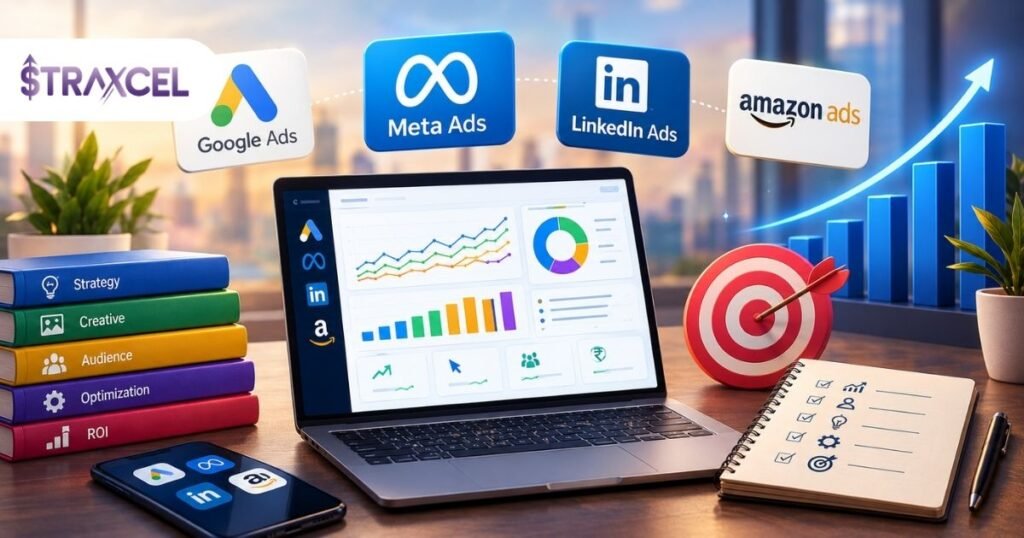
That’s exactly what happens when you hire a niche agency. A Facebook ads specialist will always tell you the fix is more ad spend. An SEO-only agency will always say the answer is more content. Not because they’re being dishonest, but because that’s the only tool sitting in front of them.
Real growth problems are rarely that simple.
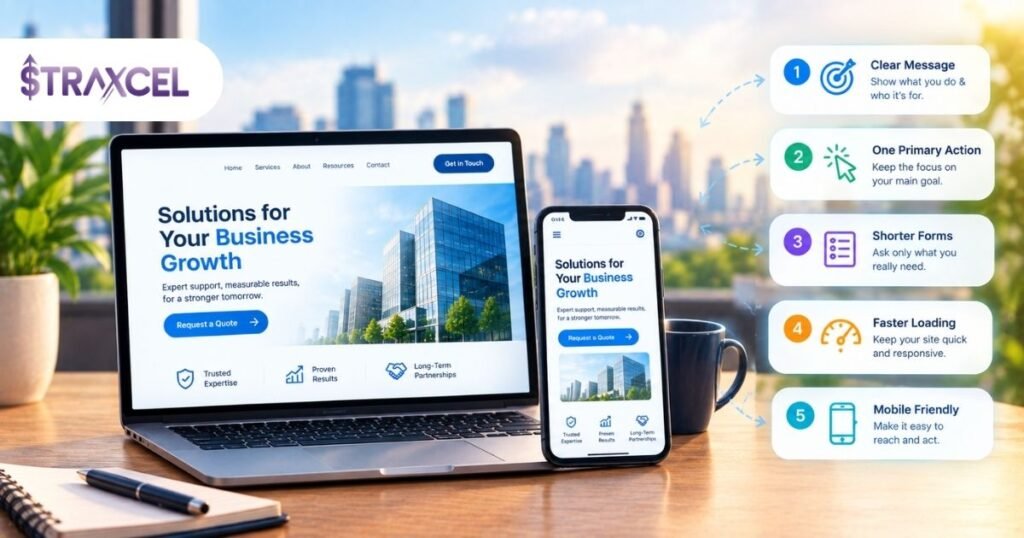
I’ve seen brands come to me convinced their issue was weak ad targeting, when the actual problem was a slow-loading landing page, or a website that didn’t build enough trust for someone to buy on the first visit.
A niche agency can’t fix that, because it sits outside whatever narrow service they were hired for.
At Straxcel, because we’re not locked into one channel, we can actually step back, look at the whole picture, and fix the real bottleneck, whether that means rewriting website copy, launching a search campaign, or rethinking the content strategy entirely or maybe optimizing your business model.
Nobody Should Be Managing Multiple Vendors
If you’re running a growing brand today, there’s a good chance your marketing setup looks something like this – an SEO freelancer who’s never spoken to your web developer, a social media manager creating content your ad team can’t actually use, and a PPC agency running campaigns that don’t match the brand voice going out on Instagram.
When results dip, this setup turns into finger-pointing almost immediately. The ad team blames the creatives. The creative team blames the website.
And the business owner sits in the middle, paying four separate retainers, watching the actual results shrink while everyone points at someone else.
This is exactly what we built Straxcel to avoid …………..
When SEO, paid media, social, content production and every single mastermind sit inside one team, they’re all having the very same conversation – not passing information through five different email threads.
There’s one point of contact, one team, one shared strategy, and one clear goal : to make your business excel like never before.
And when everything works under one roof, nobody gets to pass the blame if something isn’t working – which honestly keeps us more accountable, not less.
Separate Tools Mean You Can’t See the Full Picture (No Way)
Here’s something that gets missed a lot.
A customer rarely converts from a single touchpoint.
Someone might first see your brand in a Reel, search for reviews on Google a week later, click a retargeting ad a few days after that, and finally buy after searching your brand name directly.
When each of those channels is run by a different, disconnected agency, tracking that entire journey properly becomes almost impossible.
Every vendor’s own dashboard claims full credit for the sale, because that’s all their tracking can see.
Running everything under one roof lets us build a single, connected view of that journey instead.
We can actually see how organic content brings down paid acquisition costs, or how better SEO rankings improve click-through rates on Google ads.
That connected data is what lets us put budget where it’s genuinely working, instead of wherever the loudest dashboard says it’s working.
Being Able to Move Fast Actually Matters
Digital marketing shifts constantly. An algorithm update or a privacy change can cut a channel’s performance overnight, and I’ve watched it happen more than once. I
f you’re locked into separate contracts with separate niche agencies when that happens, shifting your strategy means ending contracts, finding new vendors, and starting the onboarding process all over again, usually while you’re already losing ground.
Because everything at Straxcel sits under one team, we can shift budget and strategy immediately when something changes.
If paid costs spike on one platform, we move resources toward search or organic content the same week, not the same quarter.
Growth doesn’t have to pause while we figure out logistics, because there aren’t five separate contracts standing in the way.
Why This Actually Matters to You as Client
I didn’t build Straxcel this way to make a bigger sales pitch. I built it because I genuinely believe ambitious businesses need one aligned partner who cares about their actual bottom line, not a collection of vendors each optimising for their own small slice of the budget.
Bringing strategy, creative work, technical execution, and data together under one team gives our clients something a niche shop simply can’t offer – a growth engine that adapts as fast as the market does, without the gaps and blame-shifting that come from managing five different relationships at once.
It was the harder path to build. It’s also, in my experience, the only one that actually keeps the client’s growth as the priority, instead of protecting one agency’s narrow piece of the pie.