A dental clinic owner in Bengaluru once told me his biggest competitor wasn’t the bigger, fancier clinic across town.
It was a smaller clinic two streets away that simply showed up first on Google whenever someone nearby searched “dentist near me.”
Same city, same target customer, completely different results. That’s the entire case for local SEO in one story.
If you run a business with a physical location or serve specific neighbourhoods, whether that’s a clinic, a boutique hotel, a law firm, or a home services company, ranking well nationally means very little.
What matters is showing up for the person standing three streets away, phone in hand, ready to buy.
What Local SEO Actually Means
Local SEO is the practice of optimising your online presence so Google shows your business to people searching nearby, right when they’re looking. There’s a real difference in how Google treats these searches.
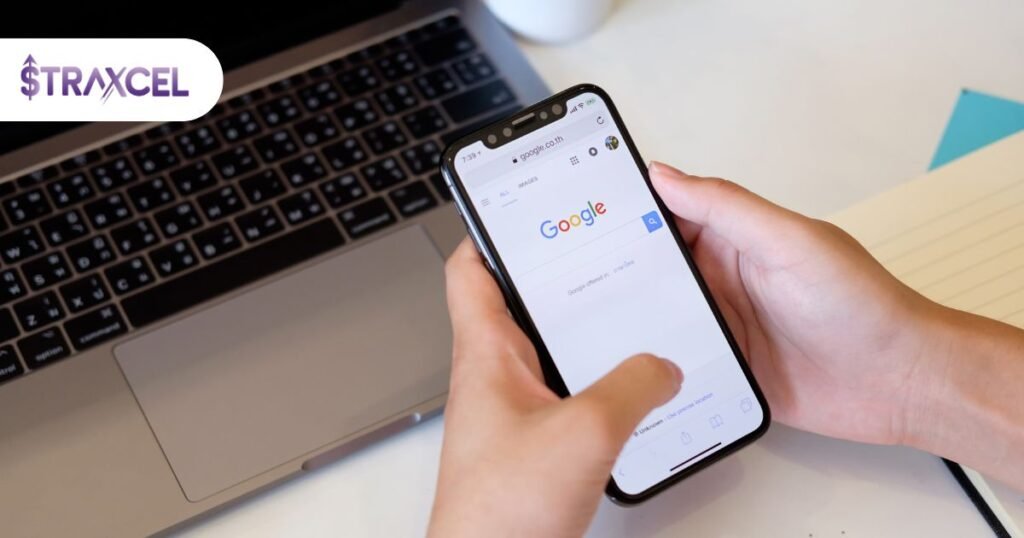
Type “digital marketing agency” and you get broad, general results. Type “digital marketing agency near me” and Google switches gears entirely, pulling in location data and shifting to local intent.
When that happens, the results page splits into two parts. There’s the map pack at the top, showing the three local businesses Google thinks best match the search, pulled directly from Google Business Profiles.
Below that sit the regular organic results, still leaning heavily toward local directories and location-specific pages. If your business isn’t showing up in that map pack, you’re losing a huge share of nearby customers before they even scroll down.
How Google Actually Decides Who Shows Up
Local search doesn’t work quite like regular SEO. Instead of ranking almost entirely on backlinks and general authority, Google leans on three specific factors to decide who earns a spot in that map pack.
Proximity is simply how close your business is to the person searching. You can’t control this one directly – Google reads it straight from the user’s location – but it’s worth remembering because it’s why two businesses selling the same thing can rank completely differently depending on who’s searching from where.
Relevance is how well your listing actually matches what someone’s looking for. If a customer searches “gluten-free bakery,” Google checks your business category, your services list, and your website content to confirm you genuinely offer that.
Vague or incomplete listings lose here even if the business itself is a perfect match.
Prominence is how well-known and trusted your business appears across the web. This is where reviews, star ratings, and local mentions come in. Google treats a steady stream of genuine, recent reviews as a strong trust signal, and it shows in how businesses get ranked.
Why This Isn’t Optional for a Local Business
If your business isn’t showing up in the top three spots of that local map pack, you’re essentially invisible to a huge chunk of nearby customers, and the numbers back this up.
A large share of people who do a local search on their phone visit that business within the same day. These aren’t casual browsers. They’re people close to making a decision right now, and local SEO puts you in front of them at exactly that moment.
Mobile plays a huge role here too. On a phone, the map pack takes up most of the screen, and a single tap lets someone call your business or get directions instantly.
Rank well locally, and you’re converting phone searches into walk-in customers without them ever needing to open your website.
Reviews matter more than most business owners realise as well. Your Google Business Profile shows customer reviews right inside the search results, building trust before anyone even clicks through to your site.
Google clearly favours businesses with active, positive engagement, so this isn’t just a trust signal for customers, it directly affects your ranking too.
What Actually Needs to Be Done
If you’re serious about ranking locally, there are a few things that genuinely move the needle, and none of them are complicated, just often ignored.
Start with your Google Business Profile. Fill it out completely – the right business category, clear photos, accurate hours, and a proper list of your services or products.
An incomplete profile is one of the easiest ways to lose ground to a competitor who simply filled theirs out properly.
Keep your business name, address, and phone number identical everywhere online. This sounds minor, but even small inconsistencies, like “Road” on your website and “Rd” on a directory listing, confuse Google and quietly hurt your local ranking authority.
It’s worth doing a proper audit of this across every listing your business appears on.
Get listed accurately on relevant local directories, whether that’s general platforms or industry-specific ones your customers actually use.
And if your business serves more than one city or neighbourhood, build separate, properly optimised pages for each location instead of relying on a single homepage to represent all of them.
A dedicated page for each area, with local details and genuine local proof, performs far better than one generic page trying to cover everywhere at once.
The Bottom Line
Traditional local advertising – flyers, local radio, generic banners – is expensive and nearly impossible to measure properly.
Local SEO flips that completely, putting your business in front of people who are already searching for exactly what you offer, in the exact area you serve.
If you’re not showing up for those searches right now, your local competitors almost certainly are, and they’re getting the customers who should be finding you instead.