Service Guides

What Is Local SEO and Why It Is a Must For Local Businesses (Straxcel Business Solutions)
Service Guides

What Is Local SEO and Why It Is a Must For Local Businesses in 2026 and Beyond

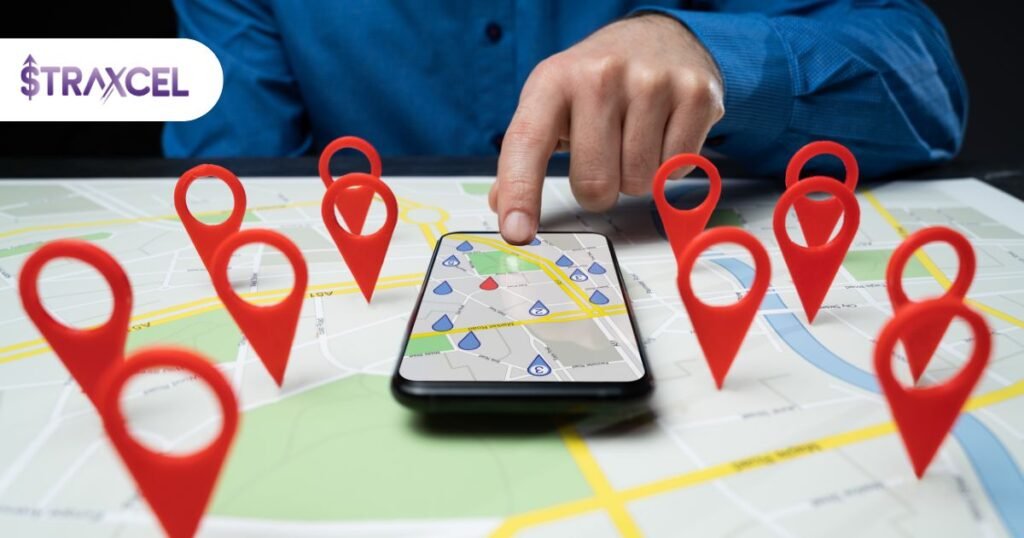
What Is Local SEO and Why It Is a Must For Local Businesses A dental clinic owner in Bengaluru once told me his biggest competitor wasn’t the bigger, fancier clinic across town. It was a smaller clinic two streets away that simply showed up first on Google whenever someone nearby searched “dentist near me.” Same city, same target customer, completely different results. That’s the entire case for local SEO in one story. If you run a business with a physical location or serve specific neighbourhoods, whether that’s a clinic, a boutique hotel, a law firm, or a home services company, ranking well nationally means very little. What matters is showing up for the person standing three streets away, phone in hand, ready to buy. What Local SEO Actually Means Local SEO is the practice of optimising your online presence so Google shows your business to people searching nearby, right when they’re looking. There’s a real difference in how Google treats these searches. Type “digital marketing agency” and you get broad, general results. Type “digital marketing agency near me” and Google switches gears entirely, pulling in location data and shifting to local intent. When that happens, the results page splits into two parts. There’s the map pack at the top, showing the three local businesses Google thinks best match the search, pulled directly from Google Business Profiles. Below that sit the regular organic results, still leaning heavily toward local directories and location-specific pages. If your business isn’t showing up in that map pack, you’re losing a huge share of nearby customers before they even scroll down. How Google Actually Decides Who Shows Up Local search doesn’t work quite like regular SEO. Instead of ranking almost entirely on backlinks and general authority, Google leans on three specific factors to decide who earns a spot in that map pack. Proximity is simply how close your business is to the person searching. You can’t control this one directly – Google reads it straight from the user’s location – but it’s worth remembering because it’s why two businesses selling the same thing can rank completely differently depending on who’s searching from where. Relevance is how well your listing actually matches what someone’s looking for. If a customer searches “gluten-free bakery,” Google checks your business category, your services list, and your website content to confirm you genuinely offer that. Vague or incomplete listings lose here even if the business itself is a perfect match. Prominence is how well-known and trusted your business appears across the web. This is where reviews, star ratings, and local mentions come in. Google treats a steady stream of genuine, recent reviews as a strong trust signal, and it shows in how businesses get ranked. Why This Isn’t Optional for a Local Business If your business isn’t showing up in the top three spots of that local map pack, you’re essentially invisible to a huge chunk of nearby customers, and the numbers back this up. A large share of people who do a local search on their phone visit that business within the same day. These aren’t casual browsers. They’re people close to making a decision right now, and local SEO puts you in front of them at exactly that moment. Mobile plays a huge role here too. On a phone, the map pack takes up most of the screen, and a single tap lets someone call your business or get directions instantly. Rank well locally, and you’re converting phone searches into walk-in customers without them ever needing to open your website. Reviews matter more than most business owners realise as well. Your Google Business Profile shows customer reviews right inside the search results, building trust before anyone even clicks through to your site. Google clearly favours businesses with active, positive engagement, so this isn’t just a trust signal for customers, it directly affects your ranking too. What Actually Needs to Be Done If you’re serious about ranking locally, there are a few things that genuinely move the needle, and none of them are complicated, just often ignored. Start with your Google Business Profile. Fill it out completely – the right business category, clear photos, accurate hours, and a proper list of your services or products. An incomplete profile is one of the easiest ways to lose ground to a competitor who simply filled theirs out properly. Keep your business name, address, and phone number identical everywhere online. This sounds minor, but even small inconsistencies, like “Road” on your website and “Rd” on a directory listing, confuse Google and quietly hurt your local ranking authority. It’s worth doing a proper audit of this across every listing your business appears on. Get listed accurately on relevant local directories, whether that’s general platforms or industry-specific ones your customers actually use. And if your business serves more than one city or neighbourhood, build separate, properly optimised pages for each location instead of relying on a single homepage to represent all of them. A dedicated page for each area, with local details and genuine local proof, performs far better than one generic page trying to cover everywhere at once. The Bottom Line Traditional local advertising – flyers, local radio, generic banners – is expensive and nearly impossible to measure properly. Local SEO flips that completely, putting your business in front of people who are already searching for exactly what you offer, in the exact area you serve. If you’re not showing up for those searches right now, your local competitors almost certainly are, and they’re getting the customers who should be finding you instead. Clients Also Ask What is the difference between SEO and local SEO? Regular SEO focuses on ranking your website broadly, often for a national or global audience, while local SEO specifically targets people searching in or near your business’s physical location. Local SEO also relies heavily on your Google Business Profile and location-based ranking factors that standard SEO doesn’t really touch. How much does local SEO cost in India? Pricing depends

The Biggest Mistake Brands Make When Choosing Marketing Agency (Straxcel Business Solutions)
Service Guides

The Biggest Mistakes Brands Make When Choosing Marketing Agency

The Biggest Mistake Brands Make When Choosing Marketing Agency Over the years running Straxcel, I’ve sat across the table from more founders and marketing heads than I can count, and a good number of them come to us already bruised. They’ve been through a bad agency experience before – burned through a lakh or two in ad spend, signed a long contract, and walked away with a slide deck full of impressive-looking numbers that never actually showed up in their bank account. It’s easy to blame the agency when things go wrong, and honestly, our industry has more than its share of smooth talkers who sell a dream and deliver very little. But when I actually dig into why these partnerships fall apart, the root cause usually traces back to day one, not month six. The biggest mistake brands make when choosing a digital marketing agency is simple, and it’s this – they shop for one the same way they’d shop for office supplies, comparing price tags instead of choosing an actual strategic partner. Let me walk through how this mistake actually plays out, because once you see the pattern, it’s easy to avoid. The Cheapest Retainer Is Rarely the Cheapest Choice Most founders, understandably, want to save money wherever they can. So they get quotes from three agencies, line up the monthly retainer fees, and go with whoever’s cheapest. It feels like smart procurement. It’s actually one of the most expensive mistakes you can make. Marketing services aren’t a standardised product. When you choose the lowest bid, you’re forcing that agency to run a high-volume, thin-margin business just to stay afloat. To survive on that pricing, they have to hand your account to a junior manager juggling fifteen or twenty other clients at once. What you get back is templated content, slow replies, and ad campaigns nobody’s really optimising because nobody has the bandwidth to. Here’s the part that actually matters financially – a cheap retainer that wastes ₹8 lakhs a month in ad spend is far more expensive than a stronger agency that turns that same ₹8 lakhs into ₹30 lakhs in actual revenue. The retainer fee was never the real cost. The wasted spend was. Watch Who’s Actually in the Room The typical agency pitch is a performance. You meet the founders, the senior strategists, the sharp sales team. They show polished decks, talk about “AI-driven growth” and “data-backed scaling,” and by the end of the meeting you feel completely confident. Then you sign, and those senior people disappear. Your actual day-to-day contact turns out to be someone fresh out of college who’s never touched your industry, doesn’t understand your margins, and is learning your business the same week they’re supposed to be growing it. Here’s how to catch this before it happens – in your final pitch meeting, stop the presentation and ask directly. Who exactly will be running our media buying, our SEO, our content, day to day? Are they in this room right now? If not, can we meet them before we sign anything? If an agency hesitates or dodges that question, that’s your answer. Walk away. Creative Without Data Infrastructure Is Just Guesswork A lot of brands choose an agency purely based on a nice portfolio or a few good case studies. Creative matters, no question. But modern digital marketing runs on data just as much as it runs on good design, and that part gets overlooked constantly. If an agency can’t clearly explain how they handle current data privacy changes, how they set up server-side tracking, or how they’re attributing a sale back to the right channel, they’re working with outdated methods, even if their creative looks sharp. An agency relying only on the basic numbers inside Google or Meta’s own dashboard, without building any independent reporting layer, is essentially reporting inflated platform numbers that often don’t match what’s actually landing in your account. You deserve to see the real picture, not the platform’s version of it. Be Wary of Guarantees and Big Words If an agency promises you the number one spot on Google within 30 days, or guarantees a specific return on ad spend before they’ve even looked inside your accounts, they’re telling you what closes the deal, not what’s actually true. No agency controls Google’s algorithm. No agency sets Meta’s auction prices. Anyone claiming otherwise either doesn’t understand the platforms or is comfortable overpromising to win your business. What a genuinely strong agency offers instead is a clear testing process, honest reporting, realistic timelines, and a strategy tied to your actual business goals, not just impressive-sounding numbers on a slide. What to Actually Look For We built Straxcel to work like an extension of our clients’ own leadership, not a vendor ticking off a monthly checklist. That’s the standard I’d want any business owner to hold their agency to. When you’re evaluating your next agency, look past the polished office tour videos and the confident pitch. Ask about who’s actually doing the work. Ask whether you’ll retain full ownership of your ad accounts and data. Ask how they report results, and whether those reports connect to your real profit, not just clicks and impressions. The marketing agencies that welcome those questions are usually the ones worth trusting. The ones that get uncomfortable are telling you something important. Clients Also Ask Why do businesses in India often get disappointed with digital marketing agencies? Most disappointment traces back to choosing an agency based on the lowest price rather than checking who’d actually be handling the account. A cheap retainer often means junior staff managing too many clients at once, which leads to slow communication and poorly optimised campaigns, even if the initial pitch looked strong. How do I compare agencies without just looking at price? Ask each agency who exactly will work on your account day to day, request to see real case studies with business numbers attached, and check whether you’ll retain full ownership of your ad accounts and

What Do Social Media Marketing Agencies Actually Do (Straxcel Business Solutions)
Service Guides

What Do Social Media Marketing Agencies Actually Do?

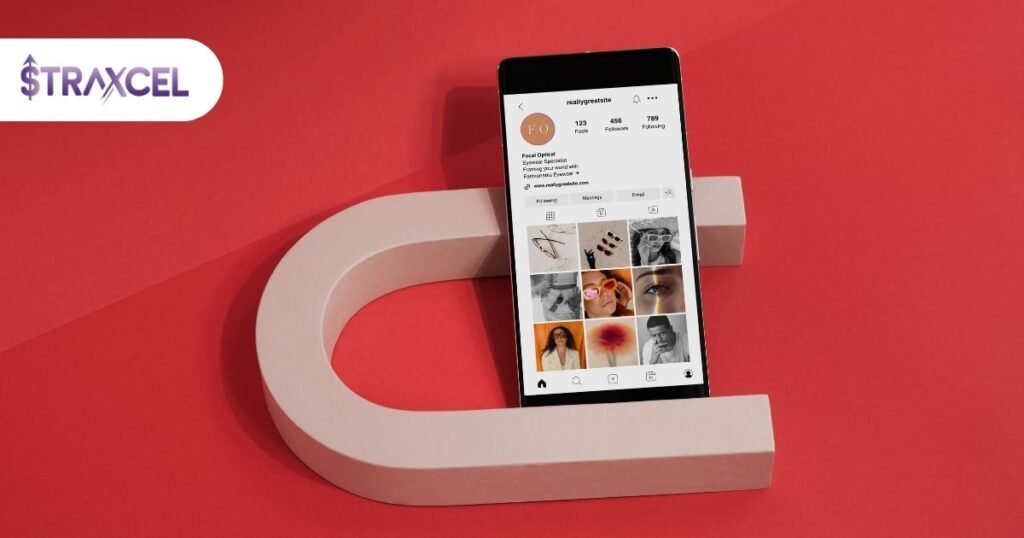
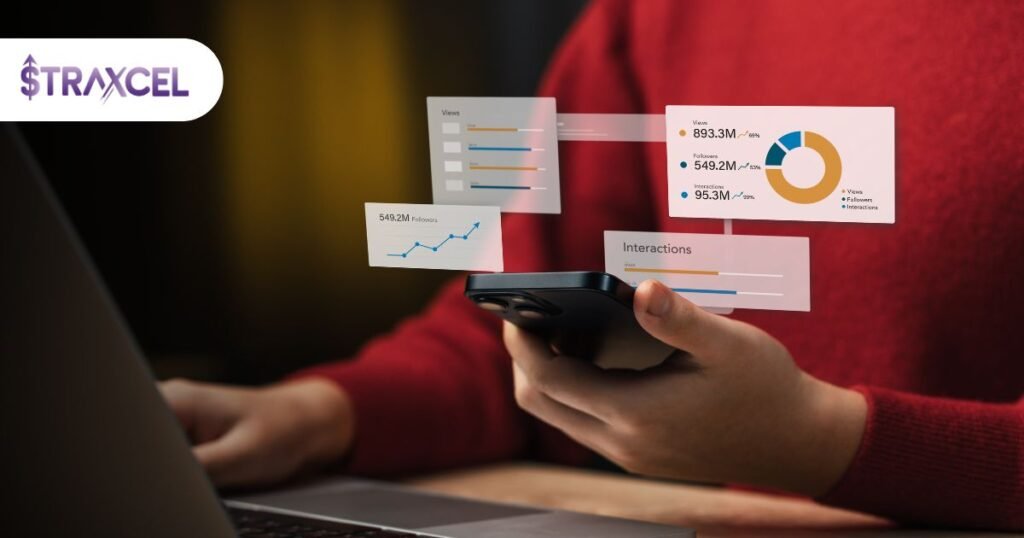
What Do Social Media Marketing Agencies Actually Do? A restaurant owner once told me he almost didn’t hire a social media marketing agency because he assumed he’d just be paying someone to post nice food photos with the right hashtags. Six months into working with us, he said something that stuck with me – “I had no idea this much was actually happening behind the scenes.” He wasn’t wrong to be confused. From the outside, this industry looks like people scrolling on phones for a living. From the inside, it’s closer to running a small production house, a data team, and a customer service desk, all at once, for someone else’s brand. I’ve built and managed social media accounts for brands across categories in India, from D2C skincare to real estate to restaurants, and the gap between what people think this work involves and what it actually takes is bigger than in almost any other part of digital marketing. So let me walk you through what a social media marketing agency actually does, day to day, once you look past the surface. It Starts With Strategy, Not Content Before a single post gets designed, a proper social media agency spends real time understanding who your customer actually is. Not a vague idea of them – specifics. What platforms do they spend time on. What kind of content stops their scroll. Whether your business even belongs on every platform, because it usually doesn’t. A B2B software company has no business chasing trends on Instagram Reels the same way a fashion brand does. It probably belongs on LinkedIn, talking to decision-makers in a completely different tone. Once that’s clear, the agency builds what’s usually called content pillars – a handful of consistent themes that keep your feed focused instead of random. Alongside that comes your visual identity – colors, fonts, tone of voice – and a monthly content calendar that maps out what gets posted, where, and when. This groundwork is invisible to the client most of the time, but it’s the difference between a feed that feels intentional and one that feels like someone’s just filling a quota. Then Comes the Actual Production Work This is where most of the daily hours go, and it’s far more hands-on than people expect. Short-form video has completely taken over how brands grow on social media, and a competent social media marketing agency spends a huge amount of time scripting, filming, and editing vertical videos for Reels, TikTok-style content, and YouTube Shorts. A huge part of that work happens in the first three seconds of every video – the hook. If someone doesn’t stop scrolling in that window, the rest of the video doesn’t matter, no matter how good it is. Teams also track trending audio and formats daily, because what works on social media shifts week to week, sometimes faster. Alongside video, there’s a steady stream of graphic design work – carousels, infographics, story templates – all built to match brand guidelines exactly. And every single piece of content needs a caption written around it, with the right keywords for social search and a clear call to action, because a beautiful post that doesn’t ask the viewer to do anything is just decoration. Paid Social Is a Completely Different Job Organic content builds an audience slowly. Paid social media marketing is how you reach the people who’ve never heard of your brand yet, and it’s genuinely a separate skill set within the same agency. This is where media buyers step in, running campaigns through Meta Ads Manager, TikTok Ads, and LinkedIn Campaign Manager depending on where your customers actually are. They build lookalike audiences – new users who resemble your best existing customers – and retargeting funnels that bring back people who visited your site or watched a previous video but didn’t convert. The part that separates a strong paid social team from a weak one is testing. Good media buyers are running several ad variations at once – different hooks, different images, different copy – and constantly shifting budget toward whatever’s actually converting, based on cost per click and return on ad spend. This isn’t a set-it-and-forget-it process. It’s checked daily, sometimes hourly, during an active campaign. Someone Has to Actually Talk to Your Customers This is the part people forget entirely. Social media is a two-way conversation, and the platforms themselves reward accounts that respond quickly to comments and messages. A proper social media agency manages this daily – answering DMs, replying to comments, catching and handling complaints before they turn into a bigger problem. There’s also an outward-facing side to this – engaging with other relevant accounts, industry pages, and complementary brands to keep your account visible beyond just your own followers. And when something does go wrong online, whether it’s a negative comment thread or an early sign of a bigger issue, someone needs to be watching closely enough to catch it before it spreads. Working With Creators and Influencers People trust other people more than they trust a brand’s own posts, which is why influencer and creator partnerships have become such a core part of what agencies handle. This isn’t just sending free products to whoever has a large following. It involves finding creators whose actual audience matches your target customer, checking that their engagement is genuine and not inflated by bots, negotiating usage rights and payment terms, and writing clear briefs so the creator highlights what matters about your product while still sounding like themselves. Get this part wrong and you end up with content that feels forced and does nothing for the brand. Get it right and it often outperforms your own branded content by a wide margin. The Reporting Most People Never See At the end of each month, a good agency isn’t just sending you a list of likes and follower counts. Those numbers feel good but rarely tell you anything useful about your business. What actually matters is engagement rate – are

What is Performance Marketing and How Does It Work (Straxcel Business Solutions)
Service Guides

What is Performance Marketing and How Does It Work?

What is Performance Marketing and How Does it Work? I still remember a call with a client – a mid-sized D2C skincare brand in Mumbai – who had just come off a six-figure quarter on Instagram ads. He was happy. He should have been furious. When we pulled the numbers apart, almost 40% of that spend had gone toward impressions and clicks that never had a real shot at converting. He’d paid for reach. He hadn’t paid for results. That’s the exact gap performance marketing exists to close, and it’s the gap I’ve spent my career closing for brands across India. Most business owners think performance marketing just means “running ads.” It doesn’t. It’s a completely different deal between a brand and the market – one where you stop paying for the promise of attention and start paying for actual outcomes. Once you understand how that deal works, and where it usually breaks, you stop wasting budget the way that skincare brand was. The Old Way of Advertising Was Broken For decades, advertising ran on faith. You bought a billboard, a newspaper ad, a radio spot, and you hoped. There’s an old line from a department store owner named Wanamaker, who said something back in the 1800s about knowing half his ad spend was wasted, but never knowing which half. That line still gets quoted in every marketing deck, and for good reason. It captured the biggest problem in advertising for over a century. Performance marketing is the answer to that exact problem, though not in the tidy, solved-forever way agencies often pitch it. It’s better described as a system that helps you find your wasted half faster, cut it, and put that money into what’s actually working. That’s the whole idea. Anyone telling you performance marketing removes all waste completely either hasn’t managed a real budget or is trying to sell you something. So What is Performance Marketing, Really Strip away the jargon and it comes down to this: you only pay when something specific and measurable happens. A click. A lead form filled. An app installed. A sale completed. You’re not buying ad space anymore. You’re buying an outcome, and the platform only gets paid once that outcome actually happens. Compare that to brand marketing, which plays a different game entirely. It’s about building recognition and staying top of mind for a purchase decision that might happen months later. Both matter. I’ve watched too many founders try to run their whole growth engine on performance marketing services alone, and it works fine right up until the market gets saturated and there’s no brand trust left to fall back on. That’s a topic for another day. For now, let’s focus on how performance marketing itself works. Four moving parts make it function, and if you don’t understand how they connect, you’re operating blind. The advertiser is you, the brand with something to sell. The publisher is wherever your ad actually shows up, whether that’s a Google search result, someone’s Instagram feed, or a blog running an affiliate link. The tracking layer is the part nobody talks about but that decides everything – the pixels, the attribution tools, the analytics setup that tells you which ad actually led to which sale. And then there’s the consumer, the person whose behaviour this entire system is trying to understand and influence. Most campaigns I’ve reviewed don’t fail because the creative was weak or the targeting was off. They fail because the tracking was broken from day one. I’ve taken over more “underperforming” accounts than I can count, where the real problem was a pixel firing incorrectly, not the strategy itself. Fix your measurement before you touch your budget. Every time. How a Campaign Actually Runs, Step by Step Here’s where I want to get specific, because most guides gloss over what actually happens once a campaign goes live. First, you decide the exact action you’re paying for, and this one decision shapes everything that follows. A lead generation business chasing form fills needs a completely different approach than an online store chasing direct sales. I’ve seen Indian brands copy a competitor’s campaign setup without checking whether their own goal even matches, and it rarely goes well. Once the goal is locked, you build targeted creative – the copy, the images, the video – mapped to specific audience groups. This is where most brands still underinvest. They’ll spend weeks fine-tuning targeting settings, then throw together one generic ad and expect it to work across five different customer types. It won’t. Platforms like Meta and Google have gotten smart enough that creative variety now matters more than manual audience targeting in many cases. Your real job is giving the algorithm enough good creative to test. From there, the ad goes live and enters a real-time auction. This part is genuinely interesting once you sit with it. Every single ad shown is the result of a split-second auction where the platform weighs your bid against your ad quality and how likely this exact person is to take the action you’re paying for. That third factor, predicted likelihood, is why two advertisers bidding the same amount can get completely different results. Quality and relevance aren’t soft, feel-good metrics. They directly affect what you pay. Then comes attribution. Someone clicks, converts, and a tracking pixel fires, connecting that sale back to the exact ad, audience, and placement responsible for it. This feedback loop is what makes the whole system self-correcting, but only if someone is actually reading the data instead of letting campaigns run on autopilot for weeks. The Payment Models, and Why Picking the Right One Matters I’ve had founders ask me to “just run performance marketing” without any clear opinion on how they want to pay for results, and that’s usually the first sign we need a longer conversation. Cost-per-click works well for search campaigns, where a click already signals real intent. Someone searching “SEO services near me” or “buy running shoes online” has